What This Video Covers
This transcript goes deep into the relationship between the rectal pouch, internal sphincter, external anal sphincter, the nervous system, and constipation. Sheree explains that pelvic floor PT can help by retraining communication between the parts of the bowel system that sense fullness and the muscles that release stool.
Key takeaway: The internal sphincter senses what is in the rectal pouch, while the external anal sphincter is under voluntary control. Pelvic floor PT helps those systems coordinate again.
The Internal and External Sphincter Relationship
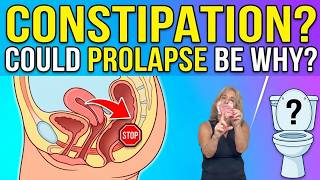
Sheree describes the rectal pouch as the place where stool, gas, or diarrhea is sensed. The internal sphincter sends information through the autonomic nervous system and tells the body when the pouch is full.
The external anal sphincter is the muscle you can voluntarily control. For a bowel movement to happen well, the internal and external sphincters need to communicate, and the external sphincter needs to release all the way.
Why Ignoring Urges Matters
The transcript strongly emphasizes not ignoring bowel urges. If the body repeatedly signals that the rectal pouch is full and the urge is ignored, the signaling pattern can become less reliable over time.
Pelvic floor therapy may help rebuild the reflex pattern by working with sphincter strength, relaxation, breathing, and positions that let tight muscles lengthen.
How PT Trains the Reflex
Sheree describes training the external sphincter in elongated positions, especially when the floor is tight. Quick contractions, full relaxation, and longer sustained holds can help reset the reflex between the internal and external sphincters.
She also connects bowel emptying to nervous system state. Sitting, tilting forward, using breath, dropping the knees, and relaxing out of fight-or-flight can all support the release needed for a bowel movement.
What to Watch For
Transcript-informed checkpoints
- Do not repeatedly ignore bowel urges
- The internal sphincter senses fullness, gas, stool, or diarrhea
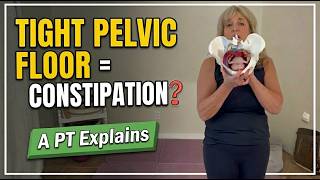
- The external anal sphincter must fully relax for emptying
- Tight muscles may need to be trained in elongated positions
- Deep breathing and nervous system downshifting can help bowel mechanics
Get the Pelvic Wellness Starter Course
Follow along with the full 1+ hour class and build a structured pelvic health routine
How to Use This Guidance Safely
This page summarizes the video for education and search visibility. It should not replace a diagnosis, prescription, or individualized pelvic floor physical therapy plan.
When to Get Help
Seek medical care for blood in stool, unexplained weight loss, severe abdominal pain, fever, or constipation that suddenly worsens.
Frequently Asked Questions
Can pelvic floor PT help constipation?
Yes. Sheree explains that PT can help retrain coordination between the internal sphincter, external anal sphincter, rectal pouch, and nervous system.
Why should I not ignore bowel urges?
Ignoring urges repeatedly can reduce the body ability to signal when the rectal pouch is full, making constipation patterns harder to break.
What exercises does Sheree mention?
She discusses elongated positions, quick sphincter contractions, full relaxation, sustained holds, forward tilting, knee positioning, and deep breathing.
Why does relaxation matter for bowel movements?
The external sphincter and pelvic floor need to release. Sheree notes that it is difficult to poop well when the nervous system is stuck in fight-or-flight.

Sheree DiBiase
Sheree DiBiase has been a physical therapist for over 40 years, with specialized expertise in pelvic floor rehabilitation, pelvic health education, and whole-person recovery. She is the founder of Lake City Physical Therapy and the creator of the Pelvic Floor Pro app.