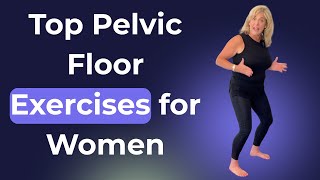
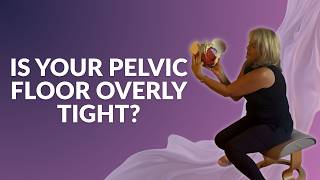
What This Video Covers
This Day 1 walkthrough introduces Sheree's Pelvic Floor Pro app and the 28 Days to Better Pelvic Health plan. The transcript walks through the first exercises and explains why each one matters for pelvic floor function.
Key takeaway: Beginner pelvic floor work starts with mobility, nerve movement, trunk rotation, pelvic tilting, contraction and release, and diaphragmatic breathing.
Exercise 1: Trunk Extension
Sheree starts with trunk extension because the low back and lumbosacral area need mobility for the nerves that feed the pelvic floor and the back of the legs. The movement is gentle back extension with hands on the glute area.
She notes that people with old back injuries should work only within tolerance. The purpose is not forcing range; it is restoring motion so nerve information can travel well.
Exercise 2: Trunk Rotation in a Small Squat
The next exercise uses a small squat with trunk rotation. Sheree explains that a slight squat automatically asks the pelvic floor to contract, while the rotation helps loosen the trunk and pelvis.
The goal is to rotate both directions and improve stiffness through the pelvic girdle so the pelvis can move the way it should.
Exercise 3 and 4: Pelvic Tilt and Breath
Sheree then teaches a standing pelvic tilt with pelvic floor contraction and release. She describes the pelvic floor as a hammock between the pubic bone and tailbone that must lift, hold, release, and let go fully.
The final Day 1 focus is diaphragmatic breathing. The diaphragm and pelvic floor rhythmically work together: the floor moves downward on inhale and upward on exhale. Learning pressure management is foundational for long-term pelvic health.
What to Watch For
Transcript-informed checkpoints
- Trunk extension for low back and pelvic nerve mobility
- Small squat trunk rotation to loosen the pelvic girdle
- Standing pelvic tilt with pelvic floor lift and release
- Diaphragmatic breathing for pressure management
- Work only in a range your body tolerates
Get the Pelvic Wellness Starter Course
Follow along with the full 1+ hour class and build a structured pelvic health routine
How to Use This Guidance Safely
This page summarizes the video for education and search visibility. It should not replace a diagnosis, prescription, or individualized pelvic floor physical therapy plan.
When to Get Help
If exercises increase pain, pressure, leakage, or constipation, pause and consult a pelvic floor physical therapist.
Frequently Asked Questions
What exercises are in Day 1?
The transcript covers trunk extension, trunk rotation in a small squat, standing pelvic tilt with pelvic floor contraction and release, and diaphragmatic breathing.
Why start with trunk extension?
Sheree explains that the low back needs mobility for the nerves that feed the pelvic floor and back of the legs.
Why is breathing included?
The diaphragm and pelvic floor move together, so breath training helps manage intra-abdominal pressure and pelvic floor motion.
Do beginners only need Kegels?
No. This Day 1 sequence includes mobility, rotation, pelvic tilting, contraction, release, and breath coordination.

Sheree DiBiase
Sheree DiBiase has been a physical therapist for over 40 years, with specialized expertise in pelvic floor rehabilitation, pelvic health education, and whole-person recovery. She is the founder of Lake City Physical Therapy and the creator of the Pelvic Floor Pro app.