Understanding Urinary Incontinence and the Pelvic Floor
Urinary incontinence affects millions of women worldwide, yet many suffer in silence because they believe it is a normal part of aging or childbirth. The truth is that urinary incontinence is a treatable condition, and pelvic floor exercises are one of the most effective first-line therapies available.
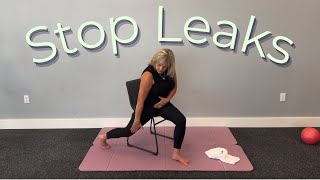
Your pelvic floor muscles act like a supportive sling beneath your bladder, uterus, and rectum. When these muscles weaken or become dysfunctional, they can no longer provide the closure pressure your urethra needs to prevent leakage. The exercises in the video above target these muscles specifically, helping you rebuild the strength and coordination needed for reliable bladder control.
Did you know? Research published in the Cochrane Database of Systematic Reviews confirms that pelvic floor muscle training is effective for treating stress urinary incontinence, with up to 70% of women experiencing significant improvement or complete resolution of symptoms.
Types of Urinary Incontinence
Understanding which type of incontinence you experience is important because it helps you tailor your exercise approach. There are three primary types:
Stress Incontinence
Stress incontinence is the most common form in women. Leakage occurs when physical movements or activities put pressure on the bladder. Common triggers include coughing, sneezing, laughing, lifting heavy objects, running, or jumping. The underlying cause is typically weakened pelvic floor muscles that cannot maintain urethral closure under increased abdominal pressure.
Urge Incontinence
Urge incontinence, sometimes called overactive bladder, involves a sudden and intense need to urinate followed by involuntary leakage. You may feel like you cannot reach the bathroom in time. This type involves the bladder muscle contracting unexpectedly, and pelvic floor exercises help by training the muscles to override these unwanted contractions.
Mixed Incontinence
Mixed incontinence is a combination of both stress and urge incontinence. Many women experience symptoms of both types simultaneously. The good news is that pelvic floor exercises address the muscular component of both conditions.
Quick Tips for Identifying Your Type
- If you leak when you cough, sneeze, or exercise, it is likely stress incontinence
- If you get sudden strong urges and cannot always make it to the bathroom, it is likely urge incontinence
- If you experience both patterns, you likely have mixed incontinence
- Keep a bladder diary for one week to help identify your patterns
The 5 Exercises Demonstrated in This Video
In the video above, I walk you through five key exercises that target the pelvic floor muscles responsible for bladder control. Each exercise builds on the previous one, creating a progressive strengthening program:
- Pelvic Floor Activation with 5 Muscle Cues — Learning to engage the correct muscles using multiple mental cues ensures your brain connects with every part of the pelvic floor, not just the superficial layers
- Core-Pelvic Floor Coordination — Your transverse abdominis and pelvic floor work as a team. This exercise teaches you to activate both simultaneously for better support during daily activities
- Hip Rotator Strengthening — The obturator internus passes through the pelvic floor and provides internal support. Strengthening this muscle gives your pelvic floor additional structural integrity
- Bridge Progressions — Bridges build glute and pelvic floor endurance together, helping you maintain continence during standing and walking activities
- Functional Integration Exercises — These exercises teach you to engage your pelvic floor before and during movements that typically cause leakage, like coughing or lifting
Get the Complete SUI Class
8 expert-led video sessions covering myths, exercises, core training & sport return
When to See a Pelvic Floor Specialist
While pelvic floor exercises are highly effective for most women with urinary incontinence, some situations call for professional guidance. Consider seeing a pelvic floor physical therapist if:
- Your symptoms have not improved after 6-8 weeks of consistent exercise
- You are unsure whether you are performing the exercises correctly
- You experience pain during pelvic floor contractions
- Your incontinence is severe or worsening despite exercise
- You have pelvic organ prolapse in addition to incontinence
- You recently had pelvic surgery or radiation therapy
A qualified pelvic floor therapist can perform an internal assessment to evaluate your muscle strength, coordination, and endurance, then create a personalized treatment plan that addresses your specific needs.
Important Note
If you experience blood in your urine, pain while urinating, or sudden onset of severe incontinence, consult your healthcare provider promptly. These symptoms may indicate a condition that requires medical evaluation beyond pelvic floor exercises.
Frequently Asked Questions
How often should I do pelvic floor exercises for incontinence?
For urinary incontinence, aim to practice pelvic floor exercises 3-4 times per week. Consistency is the most important factor. Start with 10-15 minutes per session and gradually increase as your muscles strengthen. Most women begin noticing improvements in bladder control within 4-6 weeks of consistent practice.
What is the difference between stress and urge incontinence?
Stress incontinence occurs when physical activity like coughing, sneezing, laughing, or jumping puts pressure on the bladder, causing leakage. Urge incontinence is characterized by a sudden, intense need to urinate followed by involuntary leakage. Mixed incontinence involves symptoms of both types. Pelvic floor exercises can help with all three types.
How long does it take to see results from pelvic floor exercises for incontinence?
Most women notice initial improvements in 4-6 weeks with consistent practice. Significant reduction in leakage episodes typically occurs within 3-6 months. However, the timeline varies based on the severity of incontinence, your consistency, and whether you are performing the exercises correctly.
Can pelvic floor exercises replace surgery for incontinence?
In many cases, pelvic floor exercises are the recommended first-line treatment for urinary incontinence and can significantly reduce or eliminate symptoms without surgery. Research shows that up to 70% of stress incontinence cases improve with proper pelvic floor rehabilitation. Surgery is typically considered only after conservative treatments have been tried.
Are pelvic floor exercises for incontinence safe during pregnancy?
Yes, pelvic floor exercises are generally safe and highly recommended during pregnancy. They can help prevent or reduce pregnancy-related incontinence and prepare your body for delivery. However, always check with your healthcare provider before starting any exercise program during pregnancy, especially if you have complications.

Sheree DiBiase
Sheree DiBiase has been a physical therapist for over 40 years, specializing in pelvic floor rehabilitation. She is the founder of Lake City Physical Therapy and the creator of the Pelvic Floor Pro app. Sheree is a board-certified Pelvic Rehabilitation Practitioner (PRPC) and has helped thousands of women overcome urinary incontinence and regain confidence in their daily lives.