Why Pelvic Floor Exercises During Pregnancy Are Essential
Pregnancy places enormous demands on the pelvic floor. As your baby grows, the weight of the uterus presses directly down on these muscles, gradually stretching and weakening them over the course of nine months. Hormonal changes during pregnancy also soften the connective tissue throughout your body, including the ligaments and fascia that support your pelvic organs.
Without targeted exercise, this combination of increased load and tissue softening can lead to urinary leakage, pelvic pressure, and difficulty recovering after birth. Research published in the British Journal of Sports Medicine found that women who performed pelvic floor exercises during pregnancy were 62% less likely to experience urinary incontinence in late pregnancy and postpartum.
Key finding: A strong, well-coordinated pelvic floor does not just prevent problems during pregnancy. It actively supports an easier labor and significantly faster postpartum recovery. Starting early gives you the best results.
Safe Exercises by Trimester
First Trimester: Building Your Foundation
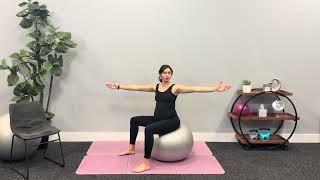
The first trimester is the ideal time to establish your pelvic floor exercise habit. Your body has not yet undergone significant physical changes, which makes it easier to learn proper muscle activation and develop good form. Focus on connecting your brain to your pelvic floor muscles through gentle contractions, coordinating your pelvic floor with your breathing, and building awareness of the five different muscle cues taught in the video above.
During these early weeks, you can exercise in any position that feels comfortable. Lying on your back is often the easiest position for beginners because gravity assists the lift. Aim for 10 to 15 minutes, three to four times per week.
Second Trimester: Strengthening and Adapting
As your belly grows in the second trimester, you will need to make some adjustments. After about 16 weeks, avoid prolonged exercise flat on your back, as the weight of the uterus can compress major blood vessels. Instead, perform pelvic floor exercises in side-lying, seated, or standing positions.
This is the trimester to increase your focus on endurance holds and functional integration. Practice engaging your pelvic floor during everyday movements like standing up from a chair, climbing stairs, and lifting objects. Adding hip rotator and glute exercises becomes especially valuable now, as these muscles provide external support to your increasingly loaded pelvic floor.
Third Trimester: Preparing for Labor
In the final trimester, your focus shifts from pure strengthening to a balance of strength and relaxation. The ability to fully relax your pelvic floor is just as important as the ability to contract it, particularly during the pushing phase of labor. Practice deep diaphragmatic breathing with conscious pelvic floor release. Continue gentle strengthening exercises but reduce intensity if you feel any pressure or heaviness.
Get the Complete Exercise Class
Follow along with the full 1+ hour video class
Benefits for Labor and Recovery
Women who maintain pelvic floor strength throughout pregnancy consistently report better labor outcomes. A strong pelvic floor can shorten the active pushing phase of labor because the muscles are better able to work with contractions. Women who practice both strengthening and relaxation techniques are less likely to experience severe perineal tearing during delivery.
After birth, women with conditioned pelvic floors recover faster. They report fewer issues with urinary incontinence, pelvic organ prolapse, and pain. The neural pathways you build during pregnancy mean your brain already knows how to activate these muscles, making postpartum rehabilitation far more effective.
Quick Tips for Exercising During Pregnancy
- Always empty your bladder before starting your pelvic floor exercises
- Avoid holding your breath during any contraction or exercise
- Stop if you experience pain, dizziness, or unusual pressure
- Stay hydrated and avoid overheating during exercise sessions
- Focus on quality of each contraction rather than the number of repetitions
Common Mistakes Pregnant Women Make
After four decades of working with pregnant patients, I see the same mistakes repeatedly. The most damaging is bearing down instead of lifting up. Many women push their pelvic floor downward when they think they are contracting it. During pregnancy, this pushing motion increases the already significant load on the pelvic floor and can contribute to prolapse.
Another common mistake is overdoing Kegels while ignoring the surrounding muscles. Your pelvic floor does not work in isolation. The hip rotators, deep core muscles, and glutes all contribute to pelvic stability. A program that only includes isolated squeezes misses the bigger picture.
Finally, many women stop exercising entirely when they experience pelvic discomfort during pregnancy. While pain should always be evaluated by a professional, mild discomfort often indicates that the muscles need more support, not less. A pelvic floor physical therapist can help you modify exercises so you continue building strength safely.
When to Seek Professional Help
If you experience persistent pelvic pain, pressure that worsens with standing, urinary leakage that increases despite exercise, or any bleeding during exercise, please consult your healthcare provider or a pelvic floor physical therapist. These symptoms may require a personalized assessment and modified treatment approach.
Frequently Asked Questions
Is it safe to do pelvic floor exercises during pregnancy?
Yes, pelvic floor exercises are generally safe and highly recommended during pregnancy. Research consistently shows that strengthening the pelvic floor during pregnancy can reduce the risk of incontinence and support labor. However, if you have a high-risk pregnancy, placenta previa, or have been placed on bed rest, consult your healthcare provider before starting any exercise program.
Which trimester should I start pelvic floor exercises?
The best time to start is as early as possible — ideally in your first trimester or even before conception. However, it is never too late to begin. Each trimester offers different benefits, and the exercises can be adapted to your changing body throughout pregnancy. Starting in the third trimester still provides meaningful improvement for labor and recovery.
Can pelvic floor exercises help with labor?
Absolutely. Women with strong, coordinated pelvic floor muscles often experience shorter pushing phases during labor. Equally important is learning to relax and lengthen the pelvic floor, which helps the baby descend through the birth canal. A complete program includes both strengthening and relaxation techniques.
How often should I do pelvic floor exercises during pregnancy?
Aim for 3 to 4 sessions per week, each lasting about 10 to 15 minutes. Consistency matters more than duration. Short, regular sessions are more effective than occasional long workouts. Listen to your body and reduce intensity if you experience any discomfort.
What if I have pelvic pain during pregnancy?
Pelvic pain during pregnancy is common but should not be ignored. Pain can indicate that your pelvic floor muscles are too tight rather than too weak, which changes the type of exercises you should be doing. A pelvic floor physical therapist can assess whether you need strengthening, relaxation techniques, or a combination of both to address your specific situation safely.

Sheree DiBiase
Sheree DiBiase has been a physical therapist for over 40 years, specializing in pelvic floor rehabilitation. She is the founder of Lake City Physical Therapy and the creator of the Pelvic Floor Pro app. Sheree is a board-certified Pelvic Rehabilitation Practitioner (PRPC) and has helped thousands of women regain pelvic floor strength and confidence throughout pregnancy and beyond.