Understanding Pelvic Organ Prolapse
Pelvic organ prolapse occurs when one or more pelvic organs — the bladder, uterus, or rectum — shift downward from their normal position because the muscles and connective tissues that support them have weakened. It is far more common than most women realize, affecting approximately 50% of women who have given birth, though many experience mild forms that never cause significant symptoms.
The encouraging news is that pelvic floor exercises are considered a first-line treatment for prolapse. Research consistently shows that a well-designed exercise program can reduce symptoms, slow progression, and in some cases improve the grade of prolapse — particularly when symptoms are mild to moderate.
Important to know: A 2014 study in The Lancet found that women with pelvic organ prolapse who followed a structured pelvic floor muscle training program experienced significant improvement in prolapse symptoms and were less likely to seek further treatment compared to the control group.
Types of Pelvic Organ Prolapse
Understanding which type of prolapse you have helps guide your exercise approach. The four main types are:
- Cystocele (anterior prolapse): The bladder drops into the front wall of the vagina. This is the most common type and is often associated with urinary incontinence or difficulty fully emptying the bladder.
- Rectocele (posterior prolapse): The rectum bulges into the back wall of the vagina. This may cause difficulty with bowel movements or a sensation of incomplete emptying.
- Uterine prolapse: The uterus descends into the vaginal canal. Symptoms range from a feeling of heaviness or pressure to visible tissue protruding beyond the vaginal opening in severe cases.
- Vaginal vault prolapse: The top of the vagina drops downward, occurring in women who have had a hysterectomy. Pelvic floor exercises are critical for prevention and management.
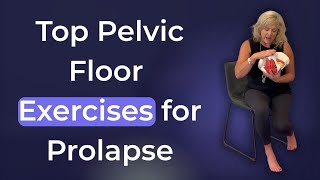
All four types benefit from pelvic floor strengthening. The exercises in the video above are designed to be safe and effective for each of these conditions.
Safe Exercises for Prolapse
When living with prolapse, choosing the right exercises is essential. The goal is to strengthen the pelvic floor and its supporting muscles without creating excessive downward pressure. Here are the categories of exercises that are safe and beneficial:
Pelvic Floor Contractions (Kegels Done Right)
The foundation of any prolapse exercise program. Focus on lifting the pelvic floor upward and inward — think of it as drawing the organs back toward their natural position. Hold each contraction for 5 to 10 seconds, then release completely. Build up to 3 sets of 10 repetitions.
Deep Core Activation
Your transverse abdominis muscle wraps around your torso like a corset and works directly with the pelvic floor. Gentle activation of this muscle while breathing normally provides internal support for your pelvic organs. Avoid traditional crunches or sit-ups, which push downward on the pelvic floor.
Bridge Exercises
Lying on your back with knees bent, lift your hips off the floor while engaging your pelvic floor. Bridges strengthen the glutes and deep core without increasing intra-abdominal pressure. Start with short holds and gradually increase duration as your strength improves.
Hip and Glute Strengthening
Side-lying leg lifts, clamshells, and gentle hip rotator exercises provide external support for the pelvic floor. These muscles work as a team with the pelvic floor to maintain pelvic organ support during daily activities.
Exercises to Avoid with Prolapse
High-impact activities like jumping and running, heavy weightlifting, traditional sit-ups and crunches, deep squats with heavy loads, and any exercise that causes straining, bearing down, or breath-holding. These create excessive downward pressure on the pelvic floor and can worsen prolapse symptoms. Always exhale during the effort phase of any exercise.
Get the Complete Exercise Class
Follow along with the full 1+ hour video class
Progression Tips for Prolapse Exercises
Progressing safely with prolapse requires a thoughtful approach. Rushing through stages or adding too much intensity too quickly can aggravate symptoms. Follow these guidelines:
- Start in a lying position — gravity works with you instead of against you, making it easier to engage the pelvic floor correctly
- Progress to seated exercises once you can consistently hold a 10-second contraction while lying down
- Move to standing exercises when seated work feels comfortable and your symptoms are stable or improving
- Add functional movements like squatting to a chair or stepping up on a low step while maintaining pelvic floor engagement
- Monitor your symptoms — if you feel increased heaviness or pressure after exercising, scale back to the previous level
Daily Habits That Support Prolapse Management
- Exhale when lifting anything — never hold your breath during exertion
- Avoid prolonged standing without breaks — sit down and rest when you feel pressure
- Manage constipation to avoid straining, which worsens prolapse over time
- Maintain a healthy weight to reduce pressure on the pelvic floor
- Contract your pelvic floor before coughing, sneezing, or lifting (called "the knack")
Frequently Asked Questions
Can pelvic floor exercises reverse prolapse?
Pelvic floor exercises cannot fully reverse prolapse in most cases, but they can significantly reduce symptoms, prevent worsening, and in mild cases (Grade 1-2), may improve the stage of prolapse. Consistent exercise strengthens the muscles that support the pelvic organs, which can reduce the sensation of heaviness and bulging. Many women find that their symptoms become manageable enough to avoid surgical intervention.
What exercises should I avoid if I have pelvic organ prolapse?
Avoid exercises that create excessive downward pressure on the pelvic floor, including heavy weightlifting, traditional sit-ups and crunches, high-impact jumping and plyometrics, deep squats with heavy weights, and running on hard surfaces. Instead, focus on low-impact exercises like walking, swimming, pelvic floor contractions, bridges, and gentle yoga that strengthen without straining the pelvic floor.
How often should I do pelvic floor exercises for prolapse?
For prolapse management, aim for 3-4 sessions per week, each lasting 15-20 minutes. Consistency matters more than intensity. Start gently and increase the duration and difficulty gradually as your muscles get stronger. Allow rest days between sessions for muscle recovery. Daily quick contractions throughout your day can also supplement your formal practice sessions.
What are the different types of pelvic organ prolapse?
The main types are cystocele (bladder prolapse into the front vaginal wall), rectocele (rectum bulges into the back vaginal wall), uterine prolapse (uterus descends into the vaginal canal), and vaginal vault prolapse (top of vagina drops after hysterectomy). Each type benefits from pelvic floor strengthening exercises, though the specific approach may vary slightly. A pelvic floor specialist can tailor your program.
Is it safe to exercise with a Grade 2 or Grade 3 prolapse?
Yes, but it is important to choose appropriate exercises and ideally work with a pelvic floor specialist. Low-impact pelvic floor exercises are generally safe and beneficial for Grade 2 and Grade 3 prolapse. Avoid high-impact activities and heavy lifting. A pelvic floor physical therapist can create a personalized program based on your specific prolapse type and grade, ensuring you progress safely.

Sheree DiBiase
Sheree DiBiase has been a physical therapist for over 40 years, specializing in pelvic floor rehabilitation. She is the founder of Lake City Physical Therapy and the creator of the Pelvic Floor Pro app. Sheree is a board-certified Pelvic Rehabilitation Practitioner (PRPC) and has helped thousands of women regain pelvic floor strength and confidence.