Why Labor Positions Matter for Birth
The position you choose during labor is far more than a matter of comfort. Research consistently shows that upright and mobile positions during labor can shorten labor duration, reduce pain, and lower the risk of interventions. Yet many women arrive at the hospital or birth center without knowing which positions work best at each stage.
Your pelvis is not a fixed structure. It can open, tilt, and shift depending on your body position, and those changes create more or less room for your baby to descend and rotate through the birth canal. Understanding how to use position strategically gives you a powerful tool during labor.
Evidence-based fact: Studies show that women who remain upright and mobile during labor experience shorter first stages of labor by an average of one hour, report less pain, and are less likely to require epidural anesthesia or cesarean delivery.
Positions for Early Labor (0-6 cm)
Early labor is the longest phase, and your primary goals are to stay comfortable, conserve energy, and encourage the baby to descend into the pelvis. During this stage, contractions are generally mild to moderate and spaced further apart.
Walking and Gentle Movement
Walking is one of the simplest and most effective activities during early labor. The upright position uses gravity to help the baby descend, while the rhythmic motion of walking can encourage regular contractions. Take slow, easy walks and pause to lean on a wall or your partner during contractions.
Birth Ball Sitting
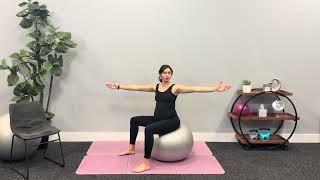
Sitting on a birth ball with your knees wide allows your pelvis to open while keeping you upright. Gentle rocking, circling your hips, or bouncing lightly can ease discomfort and encourage the baby to engage in the pelvis. This is an excellent position for resting between contractions while staying active.
Slow Dancing with Your Partner
Drape your arms around your partner's neck and sway gently side to side. This combines the benefits of upright positioning with the comfort of close support. Your partner can apply gentle counter-pressure to your lower back during contractions.
Partner Support Tips for Early Labor
- Encourage movement and position changes every 30-60 minutes
- Offer water and light snacks to maintain energy
- Apply counter-pressure to the lower back or hips during contractions
- Keep the environment calm with dim lighting and soft music
- Time contractions to help identify when to head to the birth location
Get the Complete Exercise Class
Follow along with the full 1+ hour video class
Positions for Active Labor and Transition (6-10 cm)
As contractions intensify and become closer together, your body will naturally tell you what feels right. Here are the most effective positions for this demanding phase of labor.
Hands and Knees
This is one of the most versatile and effective labor positions. Being on your hands and knees takes pressure off your back, opens the pelvis, and encourages the baby to rotate into an optimal position. It is especially helpful if you are experiencing back labor. You can rest your upper body on a birth ball or stack of pillows for support.
Side-Lying Position
When you need to rest during active labor, lying on your side with a pillow between your knees is an excellent option. This position still allows your pelvis to open and does not restrict blood flow. It can also help slow down a labor that is progressing too quickly.
Standing and Leaning Forward
Leaning forward against a wall, bed, or your partner while standing allows gravity to assist while giving your legs a break from squatting or kneeling. This position is particularly effective during strong contractions and provides easy access for back massage from your support person.
When to Seek Guidance
While position changes are generally safe and beneficial, always communicate with your healthcare provider about your labor plan. If you have an epidural, your mobility may be limited, but modified side-lying and supported upright positions are often still possible. Discuss position options with your care team before labor begins.
Positions for the Pushing Stage
The pushing stage is when your position choice can have the greatest impact. Upright pushing positions can increase the pelvic outlet diameter by up to 28-30% compared to lying flat on your back.
Supported Squat
Squatting opens the pelvic outlet to its widest diameter. Have your partner or a squat bar for support. This position uses gravity effectively and gives you a strong sense of control. Even a brief time in a squat during pushing can make a significant difference.
Semi-Reclined with Knees Wide
If you prefer a more supported position, semi-reclined at a 45-degree angle with your knees drawn wide is a good compromise. It provides some of the benefits of upright positioning while allowing you to rest between pushes. Holding behind your thighs during pushing can add leverage.
Side-Lying Pushing
Side-lying is a gentle pushing position that reduces the risk of perineal tearing. It works well when you are tired or when the baby needs a slower, more controlled delivery. Have your partner or doula support your upper leg during pushes.
Frequently Asked Questions
What is the best position for early labor?
During early labor, upright and mobile positions are ideal. Walking, slow dancing with a partner, sitting on a birth ball, and gentle swaying help use gravity to encourage the baby to descend. The key is to stay comfortable and conserve energy for active labor.
Should I stay in one position during labor?
No, changing positions frequently during labor is highly beneficial. Movement helps the baby navigate the pelvis, reduces pain, and can speed up labor. Aim to change positions every 30-60 minutes, or whenever your current position becomes uncomfortable.
What positions help with back labor?
For back labor (when the baby is facing your abdomen), hands-and-knees position is one of the most effective. Leaning forward over a birth ball, standing and leaning against a wall, and side-lying positions also help take pressure off your back and encourage the baby to rotate.
Can my birth partner help with labor positions?
Absolutely. Your birth partner plays a crucial role. They can provide counter-pressure on your lower back, support you in standing or squatting positions, help you rock or sway, and hold you during slow dancing. Practicing positions together before labor helps both of you feel prepared.
What is the best pushing position for birth?
The best pushing position depends on your body and situation. Upright positions like squatting, supported squat, or semi-reclined open the pelvic outlet by up to 30%. Side-lying pushing reduces perineal tearing risk. Discuss options with your care provider ahead of time so you can use the position that works best for you.

Sheree DiBiase
Sheree DiBiase has been a physical therapist for over 40 years, specializing in pelvic floor rehabilitation. She is the founder of Lake City Physical Therapy and the creator of the Pelvic Floor Pro app. Sheree is a board-certified Pelvic Rehabilitation Practitioner (PRPC) and has helped thousands of women regain pelvic floor strength and confidence.